Historic and sacred sites around Hua Hin
Discover the spiritual heart of Hua Hin through its sacred temples. From the world's largest Luang Phor Thuad statue to panoramic hilltop shrines, these temples offer peaceful retreats, stunning views, and a deeper connection to Thai Buddhist culture.
Dress modestly — cover shoulders and knees. Sarongs available at most temples.
Remove shoes before entering temple buildings and sacred areas.
Never point feet toward Buddha images or touch statues on the head.
Speak quietly and turn off phone sounds. Photography usually allowed outside.
Hidden gems just 5 minutes from home
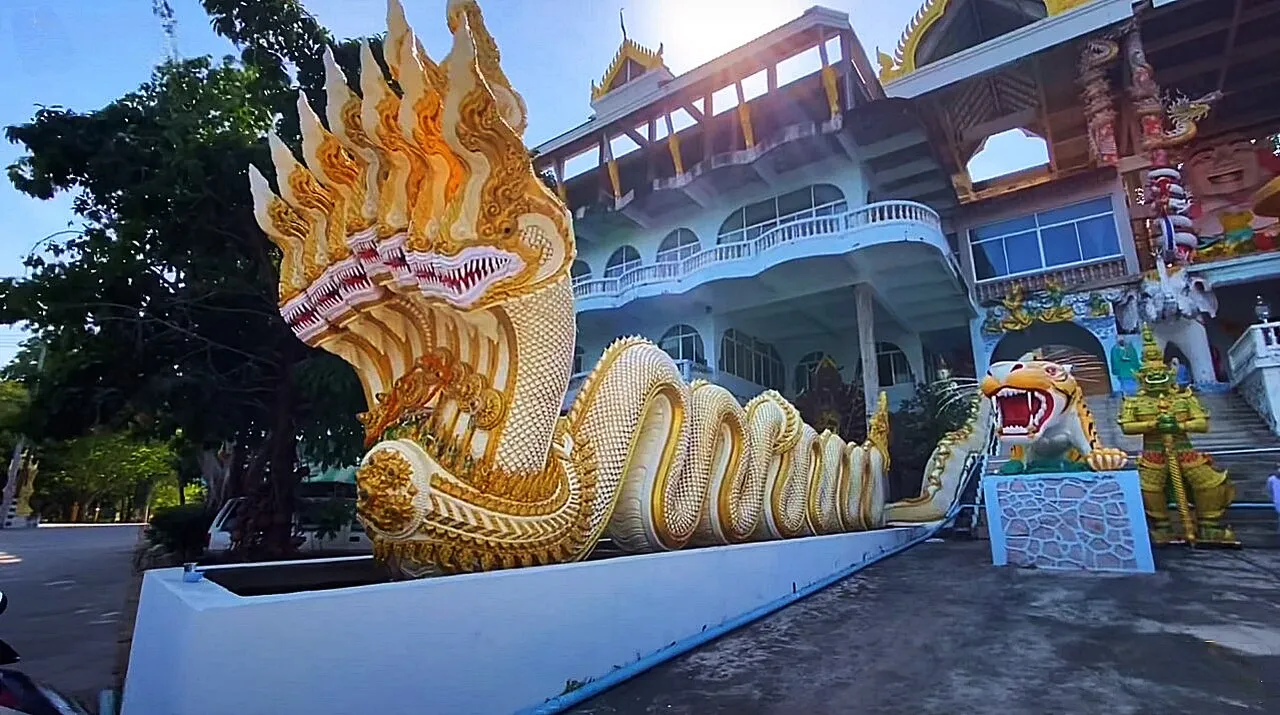
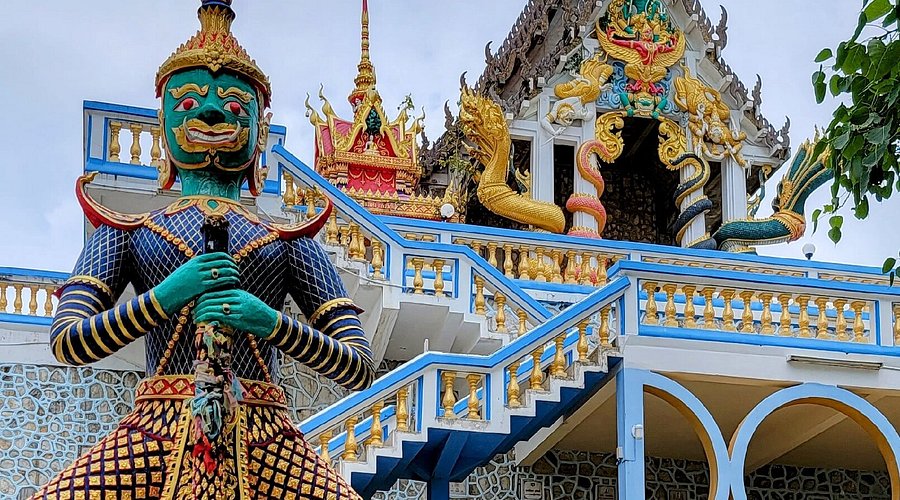
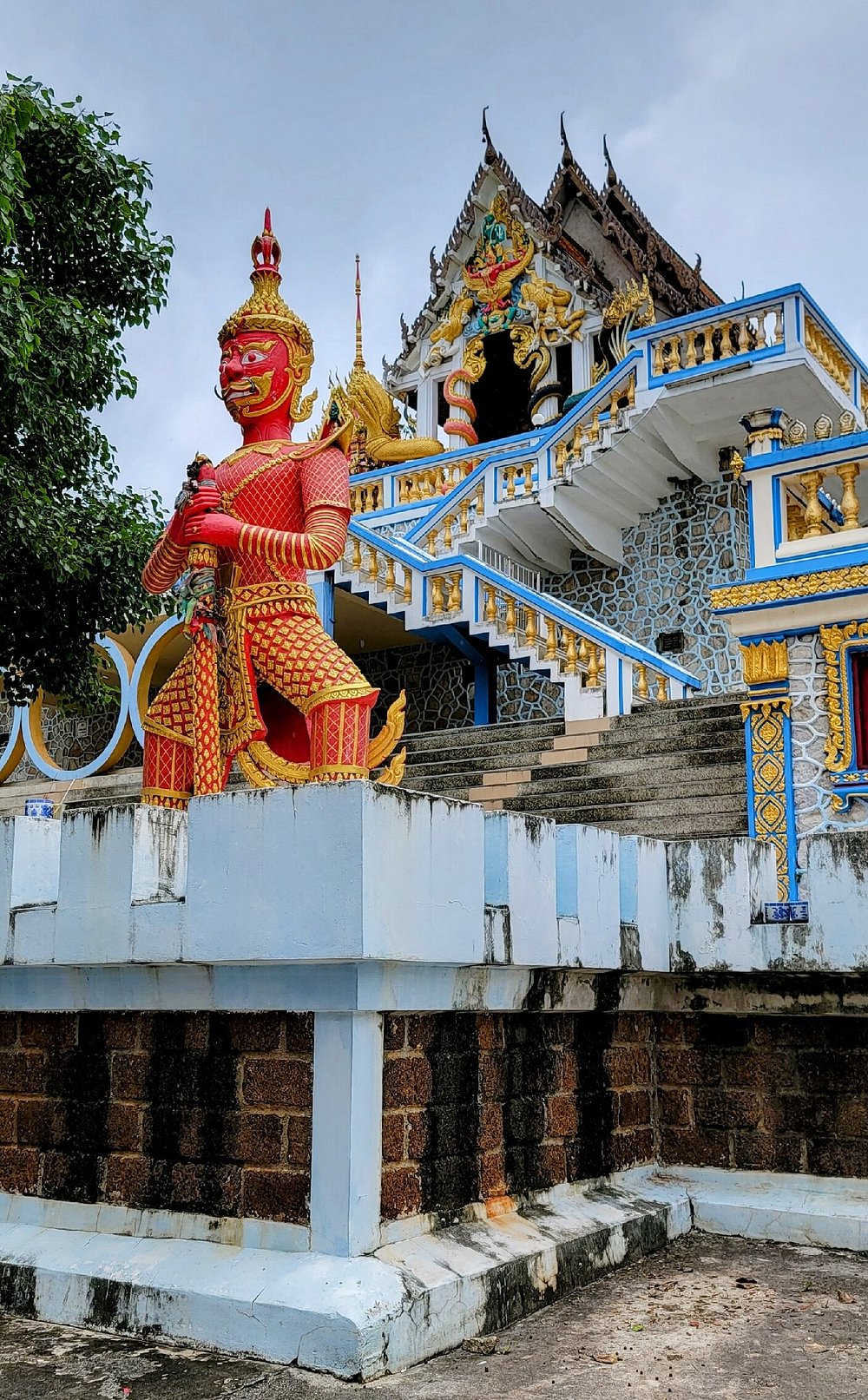
Just a 5-minute drive from Hua Hin via Soi 56, Wat Khao Itisukto is a beautifully crafted temple that remains relatively unknown to tourists. This serene sanctuary showcases stunning Thai artistry with impressive wild animal sculptures, intricate architectural details, and a remarkable replica of the royal barge — a significant symbol of Thai royal heritage. The temple's peaceful grounds are perfect for quiet contemplation, surrounded by lush greenery and vibrant colours that make it a photographer's delight. Nearby you'll find Wat Khao Noi with its panoramic views, the Hua Hin Stray Dog Foundation, and a small elephant camp.
Combine with a visit to nearby Wat Khao Noi for 360° views of Hua Hin. The area is quiet and off the tourist trail — perfect for experiencing authentic Thai temple culture without crowds.

Perched on a small hill near Wat Khao Itisukto, Wat Khao Noi offers breathtaking 360-degree panoramic views of Hua Hin and the surrounding countryside. This peaceful hilltop temple is less visited than its more famous counterparts, making it an ideal spot for quiet contemplation and stunning photography. The temple features traditional Thai Buddhist architecture and provides a unique vantage point to appreciate the beauty of the Hua Hin landscape. Combine your visit with nearby Wat Khao Itisukto for a complete temple-hopping experience in the Hin Lek Fai area.
Visit during sunrise or sunset for the most spectacular views. The hilltop location catches beautiful light and offers photo opportunities in every direction.
Iconic temples and spiritual landmarks within easy reach
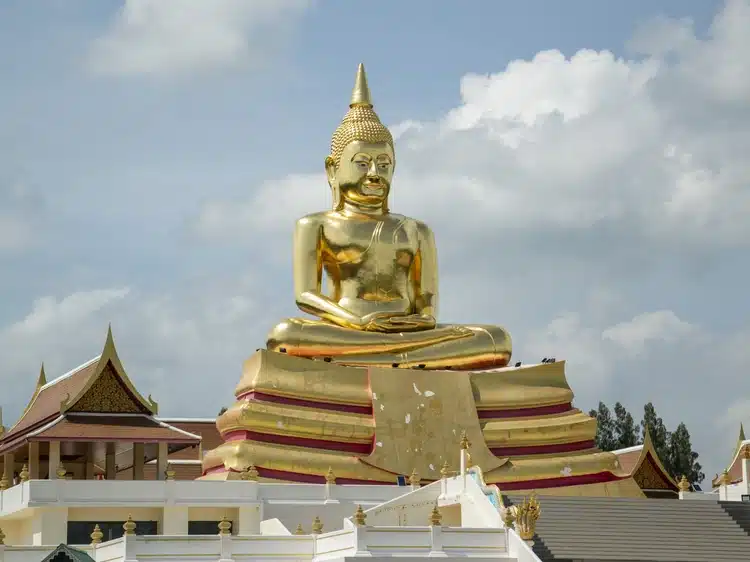
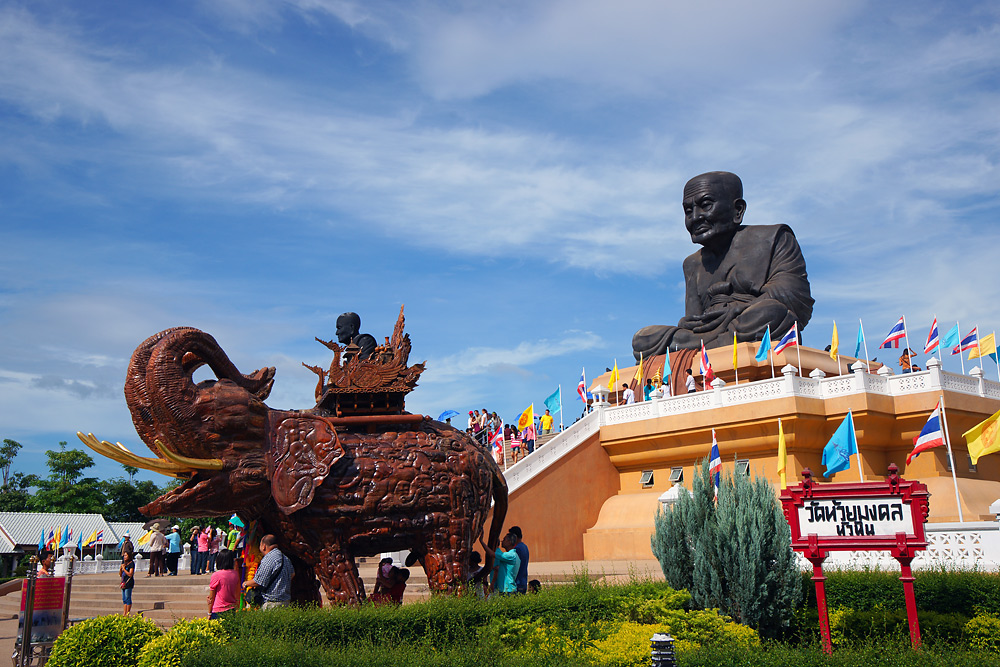
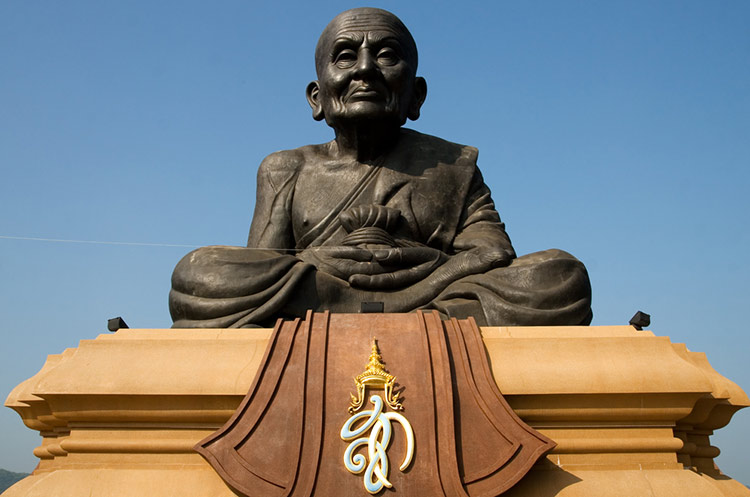
Hua Hin's most iconic spiritual landmark, Wat Huay Mongkol is home to the world's largest statue of Luang Phor Thuad — a beloved Thai monk who lived 400 years ago and is renowned for miraculous deeds, including turning seawater into fresh drinking water. The magnificent statue stands 12 metres tall and 10 metres wide, set atop a large mound visible from miles away. Flanking the statue are two massive three-headed wooden elephants; locals believe walking three times under their bellies brings good fortune. The temple complex is set in a beautiful park with lakes, waterfalls, streams, and a statue of King Taksin the Great. In January, stunning sunflower fields bloom behind the temple.
Visit on weekdays to avoid crowds. Bring water and sunscreen — there's little shade climbing to the statue. Combine with Monsoon Valley Vineyard (same direction) for a half-day trip. Don't miss the fish feeding at the lake!
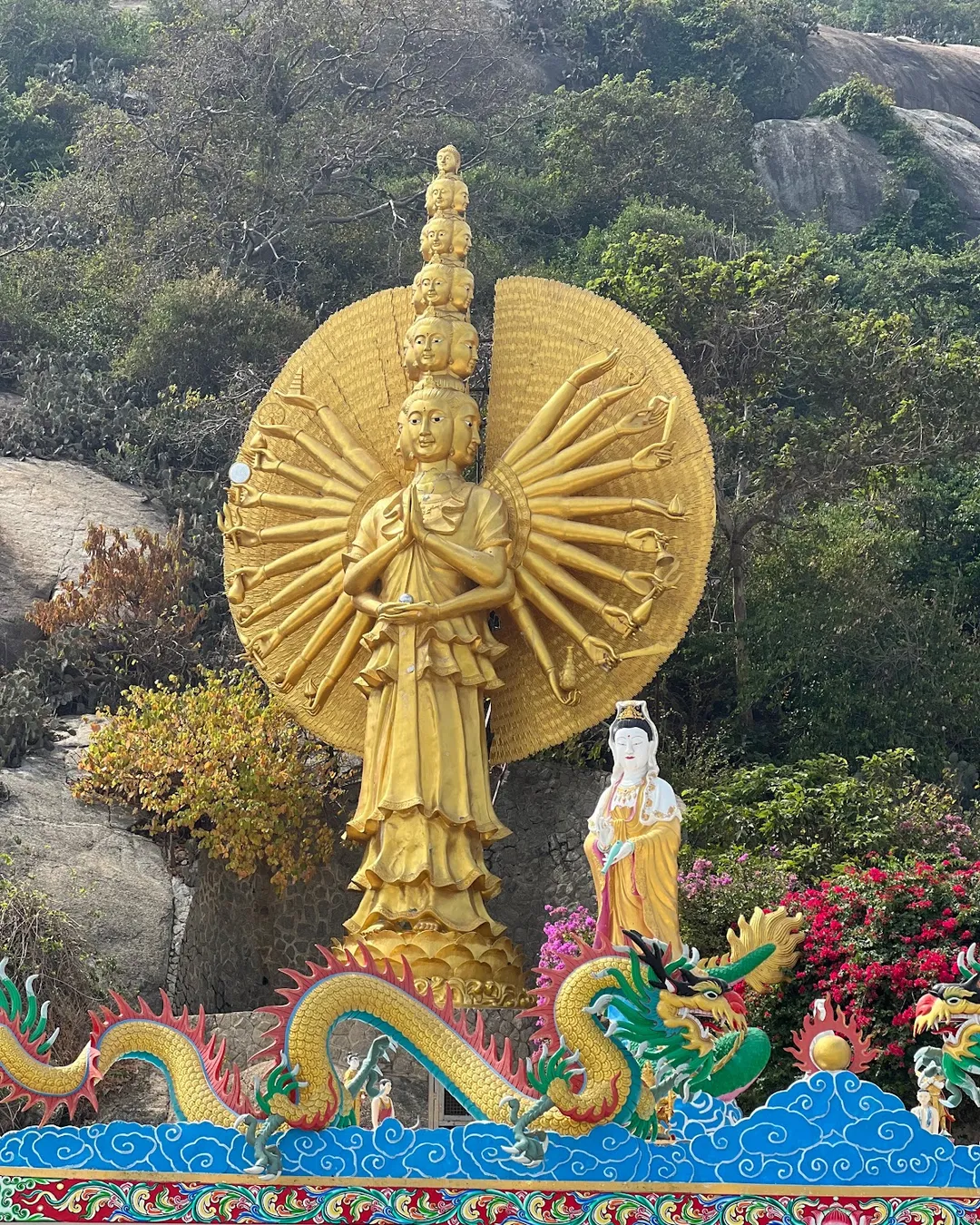
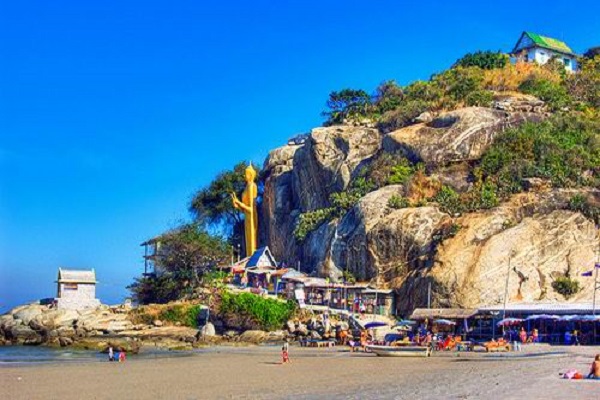
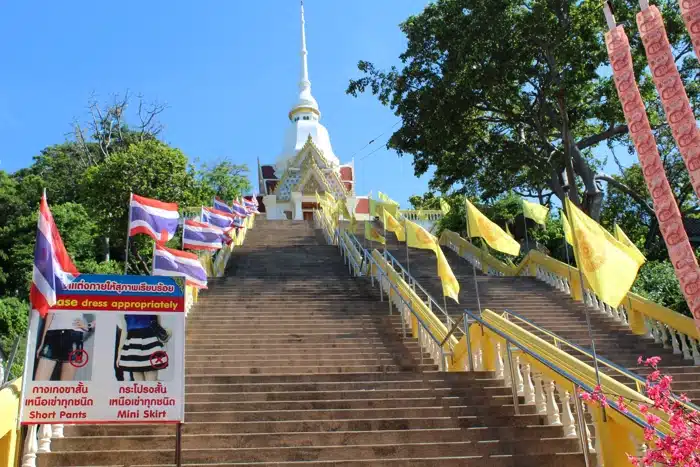
Perched atop 272-metre "Chopstick Hill" at the southern end of Hua Hin Beach, Wat Khao Takiab offers some of the most spectacular panoramic views in the region. This Thai-Chinese temple features a large 20-metre standing Golden Buddha facing the town, a sacred White Chedi containing Buddha relics, bronze bells, and a Guan Yin (Goddess of Mercy) shrine. The temple is famously known as "Monkey Mountain" due to the large troop of macaques living on the hillside — they're cheeky but generally harmless if you don't carry food openly. The climb up provides stunning views of both Hua Hin and Khao Takiab beaches, stretching to Cha-Am on clear days.
Don't carry bags loosely or show food — monkeys will grab them! Visit early morning to avoid heat and "hangry" monkeys. Combine with a seafood lunch at Khao Takiab fishing village below. The temple is staffed by Buddhist nuns.
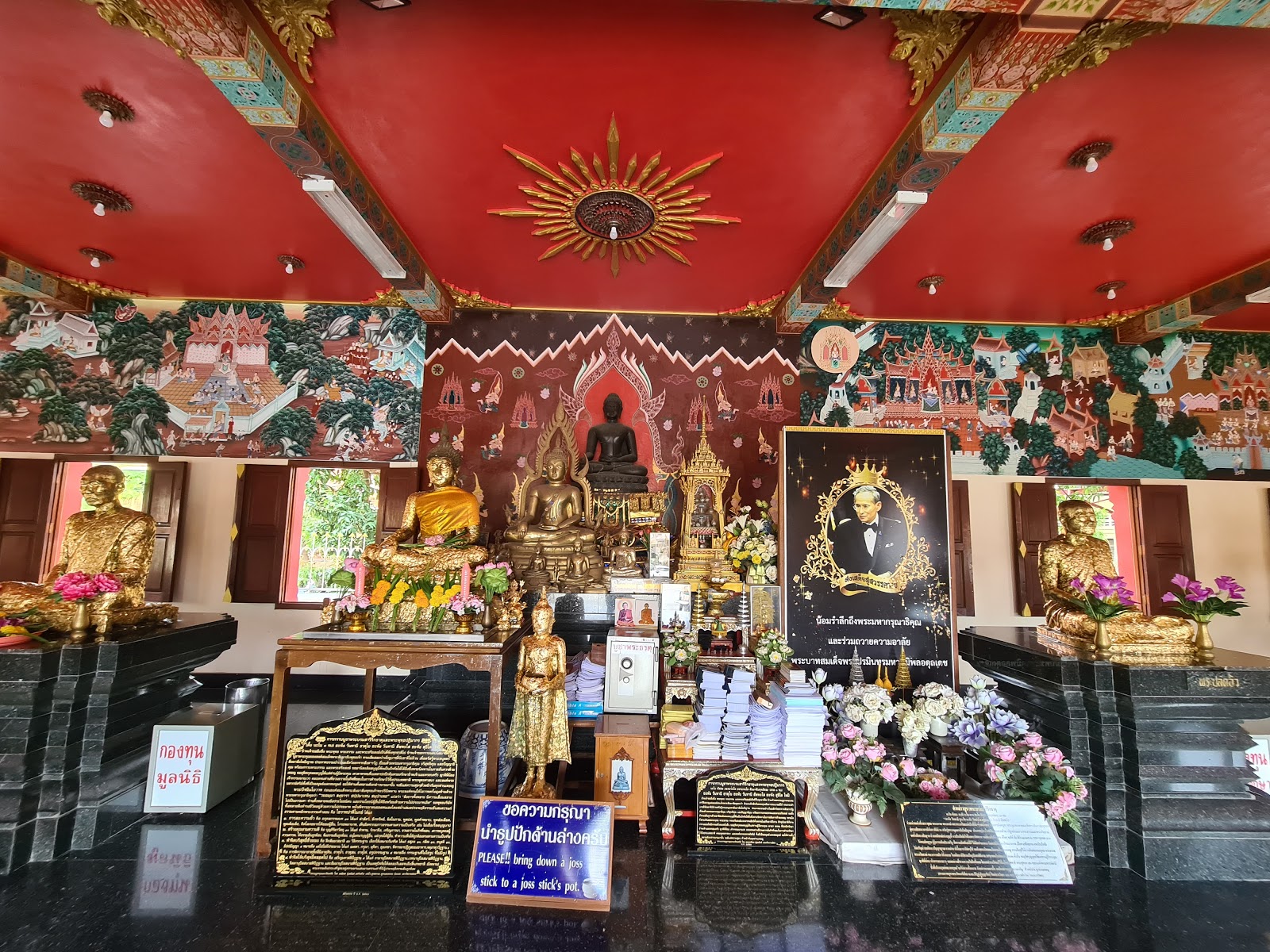
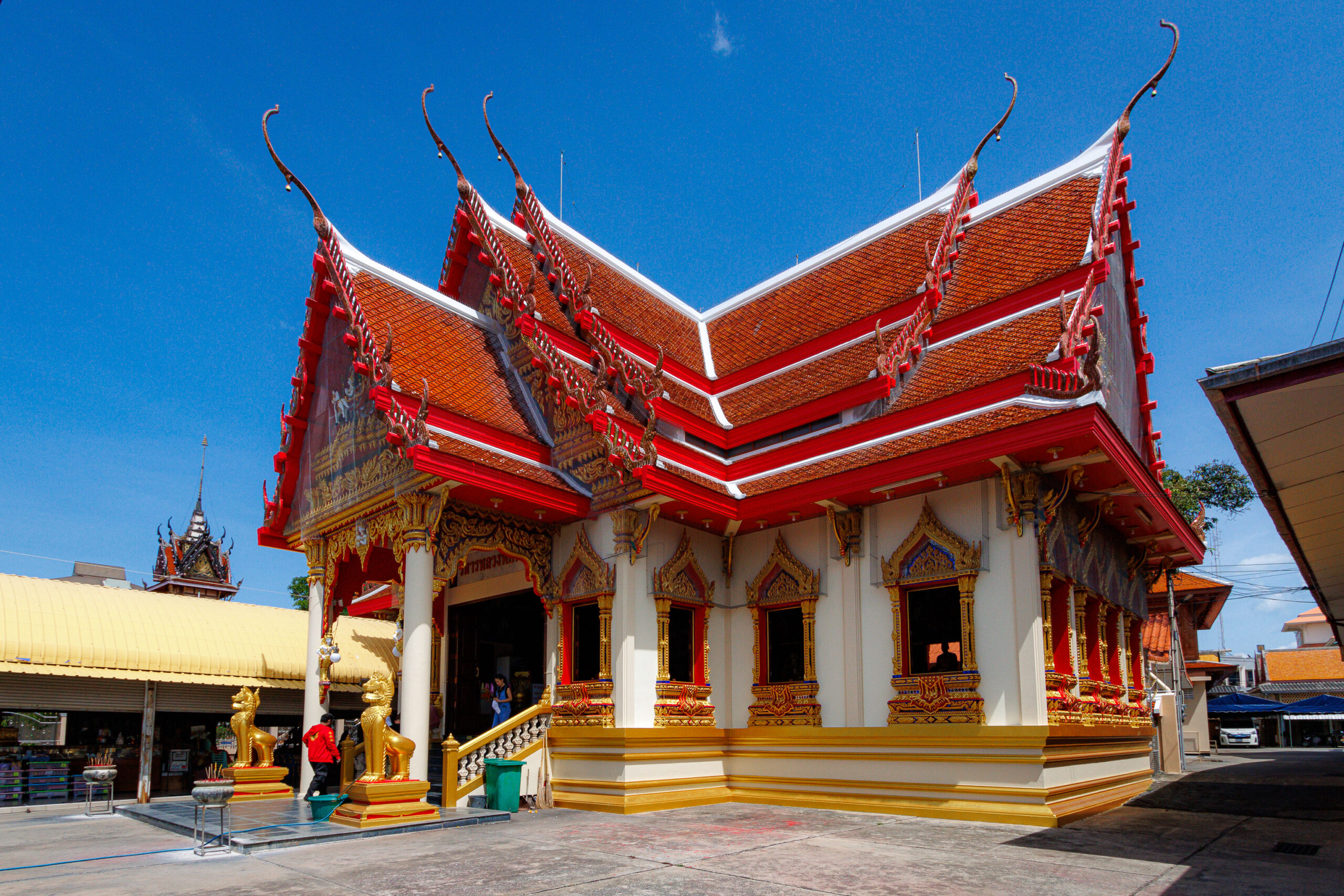
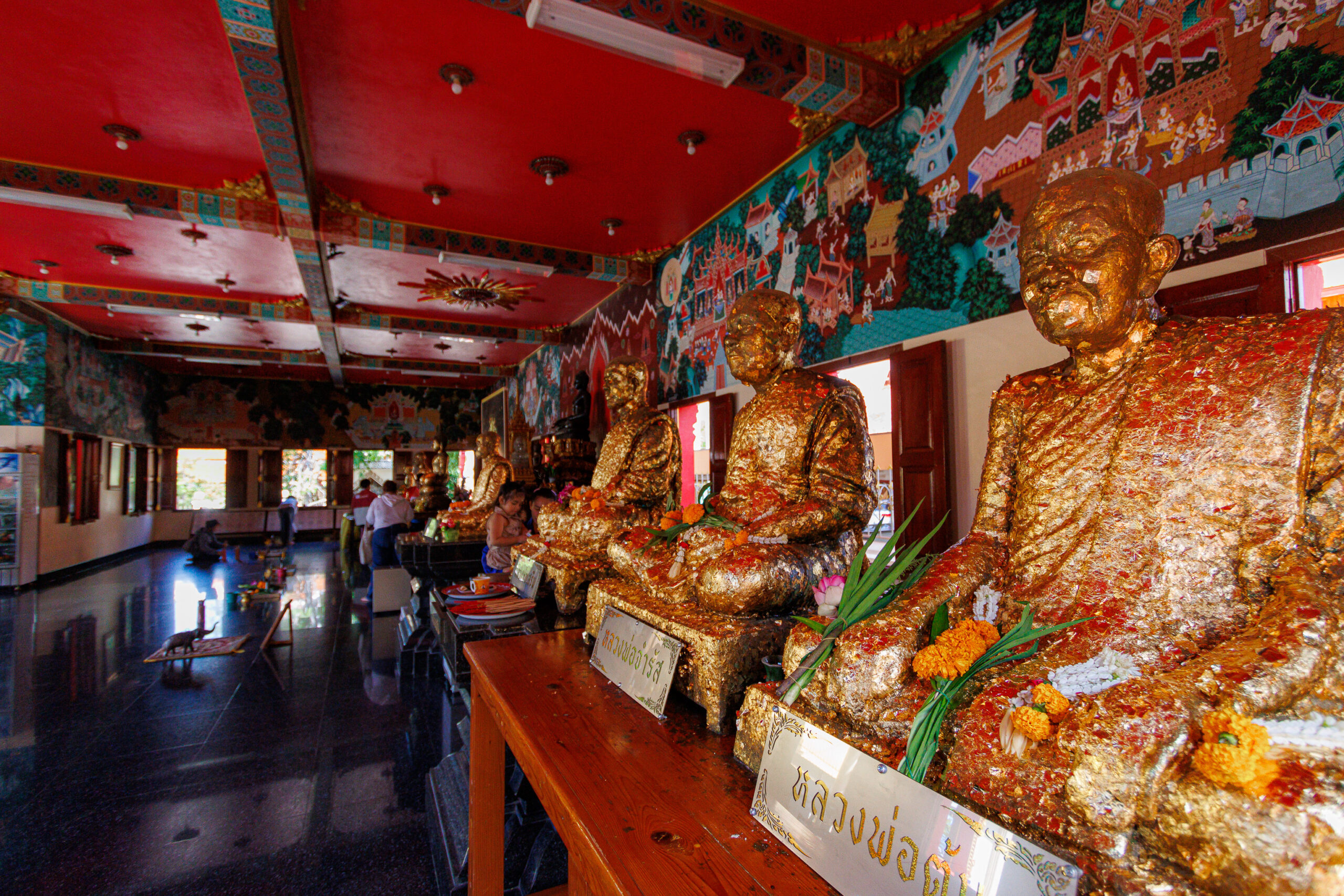
Also known as Wat Ampharam, Wat Hua Hin is the city's oldest and most important temple, established in 1896 during the reign of King Rama V. Located in the heart of town between Phetkasem Road and the Hilton Hotel, this historic temple serves as the spiritual centre for the local community. The interior walls are beautifully decorated with murals depicting Jataka tales (stories of Buddha's past lives), while the main hall houses a Buddha image in the Maravijaya (Subduing Mara) posture, Buddha relics, and a replica of Buddha's footprint. The temple is also home to the revered Luang Pu Nak, Hua Hin's most respected monk. Unlike tourist-focused temples, this is an active place of worship offering afternoon meditation sessions.
This is a working temple for locals, not primarily a tourist attraction — visit respectfully. Try your luck with fortune sticks or make a wish at the elephant statue. Easy to combine with the Night Market and Railway Station visits.
Compare all five temples at a glance
| Temple | Distance from OPH | Entry | Time Needed | Best For |
|---|---|---|---|---|
| Wat Khao Itisukto | 5 min drive | Free | 30–45 min | Thai artistry, photos |
| Wat Khao Noi | 5 min drive | Free | 20–30 min | Panoramic views, sunset |
| Wat Huay Mongkol | ~25 min drive | Free | 1–2 hours | Giant monk statue, #1 attraction |
| Wat Khao Takiab | ~15 min drive | Free | 45–90 min | Sea views, monkeys, Golden Buddha |
| Wat Hua Hin | Town centre | Free | ~30 min | History, murals, meditation |
Visit early morning (before 9am) or late afternoon to avoid the midday heat. Many temples are especially peaceful at sunrise.
Temples are free but run on donations. Small contributions (20–100 baht) help maintain these sacred sites. Donation kits are often available at entrance.
Usually allowed outdoors and in main halls (no flash). Always ask before photographing monks or ceremonies.
Cover shoulders and knees. Sarongs and cover-ups are usually available to borrow at major temples if needed.
Rent a motorbike or arrange a driver for temple-hopping. Wat Hua Hin is walkable from town; others require transport.
Temples are busiest on Wan Phra (Buddhist holy days) and Thai public holidays. Great for cultural immersion but expect crowds.
We live here — ask us anything about Hua Hin and we’ll give you the real, honest answer.